Reviews



The Best Sparklers for Wedding Photos: Tips for Stunning Shots
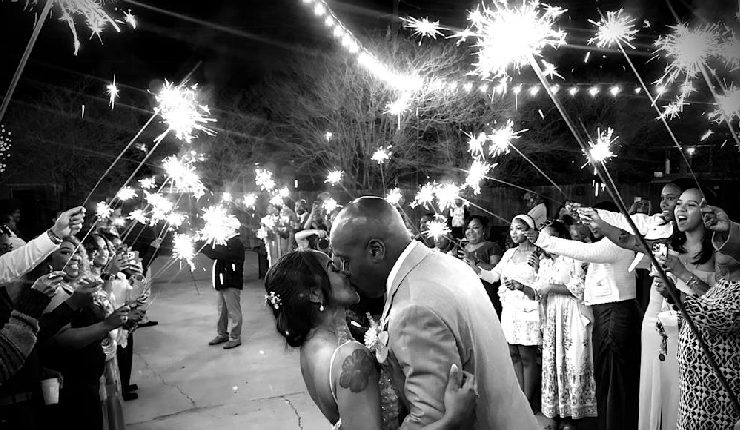
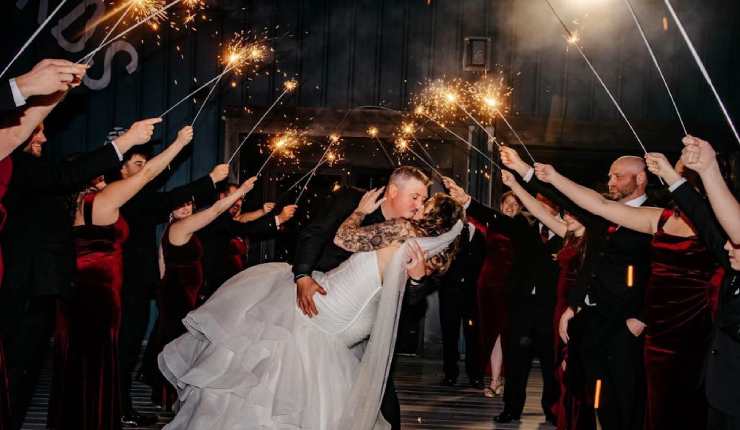
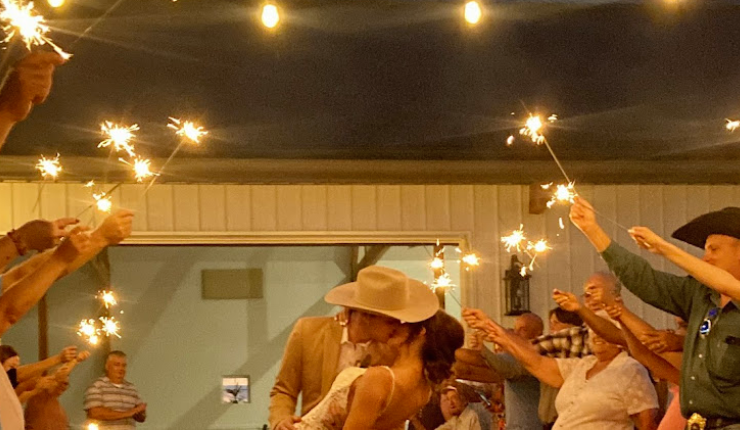
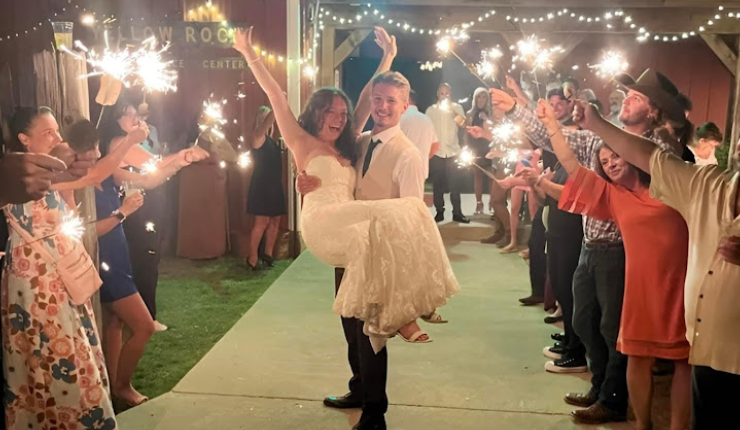
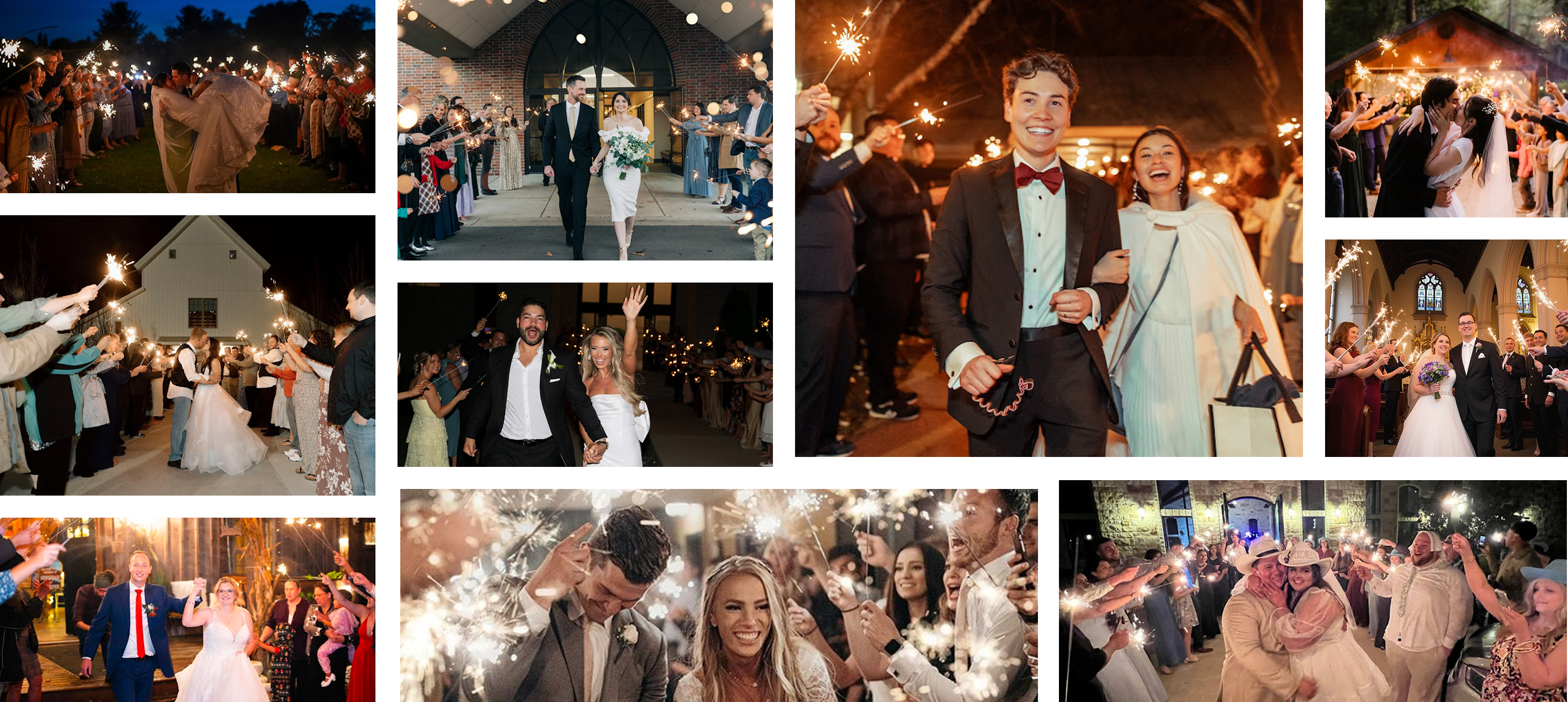
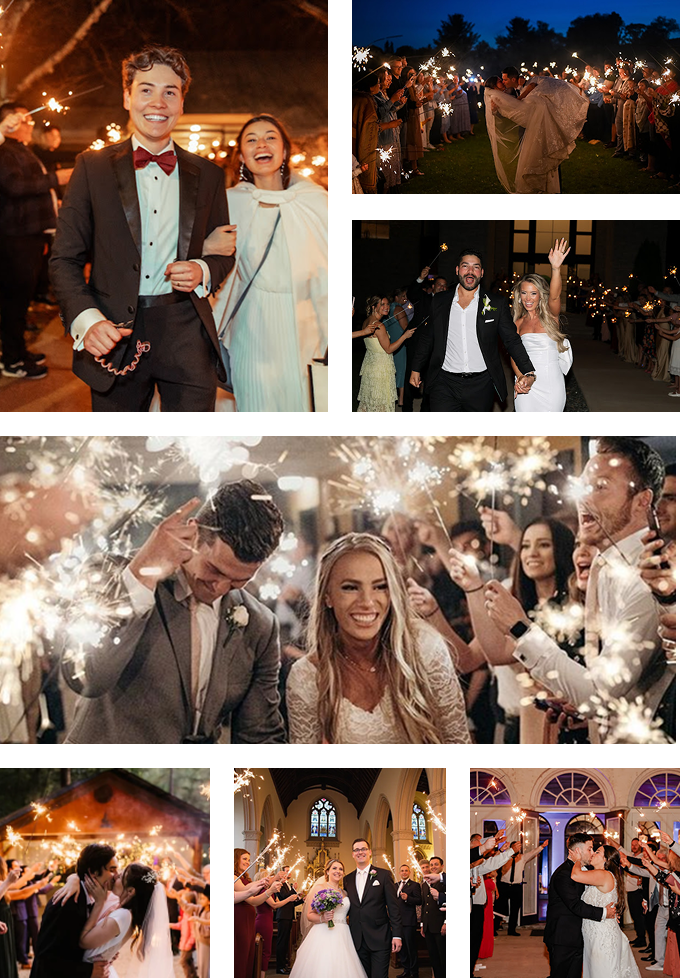
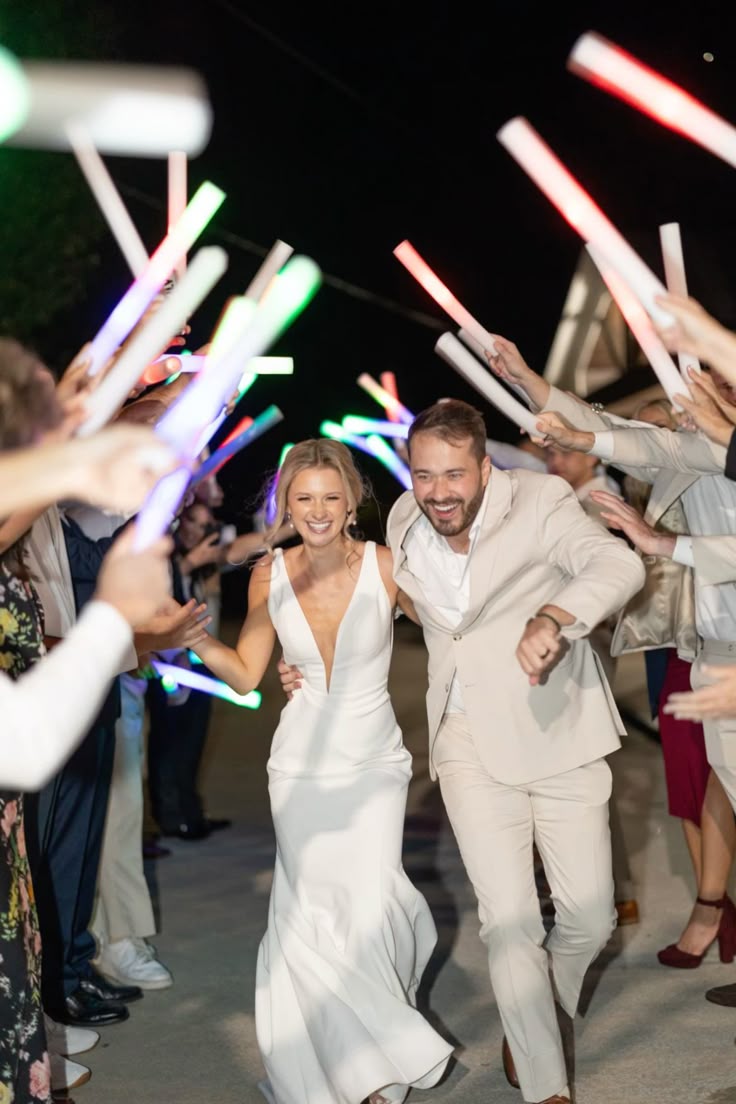
You've seen those photos. The couple walking through a long corridor of golden light, trails of sparkle framing them on both sides, guests glowing, the whole image looking like it belongs in a magazine. That's the dream — and it's absolutely achievable.
But it requires the right setup. Here's what goes into those shots.
Sparkler Choice Is the Foundation
For photography, sparkler quality matters more than people realize. You want sparklers that burn bright and consistent — not ones that flicker unpredictably or throw out a lot of smoke. Smoke is the enemy of long-exposure photography. It diffuses the light trails and turns what should be crisp golden arcs into a blurry haze.
For the best photos, go with 36-inch wedding sparklers. The 4-minute burn time is a gift for photographers — it means multiple passes are possible without guests having to relight, and the light level stays consistent throughout. The longer length also keeps hands further from the sparkle tip, which makes the arcs in photos look cleaner.
20-inch sparklers can also look beautiful in photos. They're a perfectly legitimate choice, especially for smaller weddings. Just know that your photographer has a shorter window to work with.
Timing: Darkness Is Your Best Friend
This is one of those things photographers will tell you and couples sometimes push back on: sparklers in daylight don't photograph well. At all. The light is simply too bright for the sparkler glow to register.
The sweet spot is 30 to 60 minutes after sunset. At that point you have enough ambient light to see faces and expressions clearly, but it's dark enough for the sparkler light to really pop. If your reception wraps up earlier in the evening, talk to your photographer about the options — sometimes they can do a sparkler portrait session in a dimmer part of the venue even if the full exit isn't at the ideal time.
Talk to Your Photographer Before the Night
Not a quick mention in passing — an actual conversation. A few things worth covering:
-
Have they shot sparkler exits before? If not, are they comfortable learning the long-exposure technique? This isn't a dealbreaker but it's worth knowing.
-
How many passes do you need? Most photographers want at least two. Build that into your plan.
-
Where will they stand? Shooting toward the couple (couple walks toward camera) gives you an intimate portrait feel. Shooting from the side gives you the full corridor. Both are great; pick one as the primary shot.
-
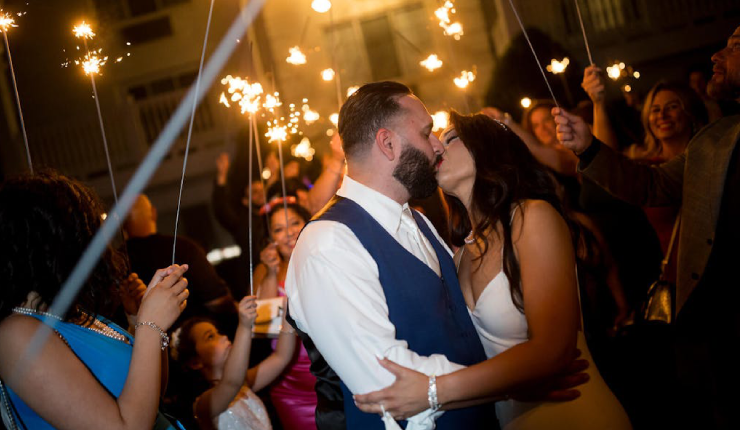
What's the signal for when to pause? Most photographers will want you to stop and kiss somewhere near the middle of the corridor. Decide on a signal ahead of time so it doesn't feel awkward.
Five minutes of conversation before the wedding saves a lot of improvisation on the night.
Line Formation Makes or Breaks the Shot
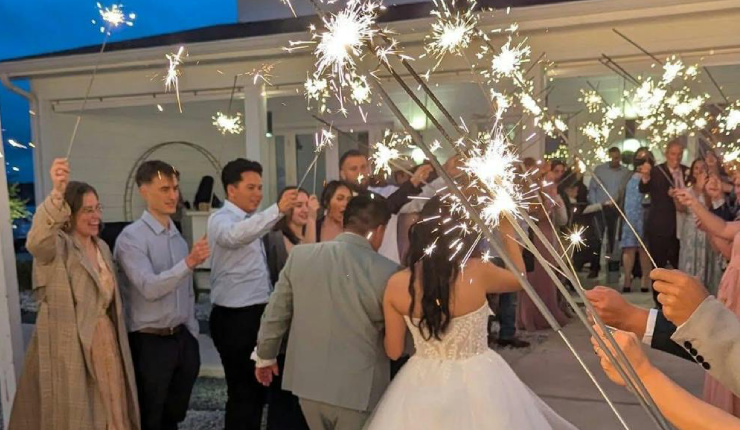
The longer the line, the better the photo — up to a point. A corridor of 25 to 50 feet gives the photographer a strong perspective and a clear frame around the couple. If the line is too short, it looks cramped. If it's too long relative to your guest count, there are obvious gaps.
Ask guests to hold sparklers at consistent height — roughly shoulder level — and angle the tips slightly toward the center of the corridor. When everyone does this, the light arcs are more uniform and the corridor looks intentional rather than haphazard.
Don't Rush the Walk
This one's simple but worth saying: walk slowly. Slower than feels natural. Your photographer needs time to get multiple frames, and the long-exposure effect requires the couple to be moving at a pace the camera can track.
If you walk through quickly, you'll get a few frames. If you walk slowly and pause in the middle, your photographer can get 15 to 20 shots from different angles, and the best ones will be extraordinary.
Light Painting: A Bonus Shot Worth Trying
If you have a few extra sparklers and a photographer who knows long-exposure work, try a light painting portrait. You write something in the air with a sparkler — your initials, a heart, 'just married' — and with the shutter open, the camera captures the full motion as a glowing trail of light. These shots are whimsical and completely unique to your wedding.
Give yourself 10 minutes with two or three sparklers after the main exit. It's low effort for a result that regularly ends up as people's favorite wedding photo.